
The world of snowboarding is constantly evolving, and bindings and boot systems in particular have undergone significant changes in recent years. One of the biggest changes has been new, faster attachment technologies, such as FASE bindings and Step-On systems . Both offer ease and efficiency to the snowboarder, but in different ways.
This blog will take an in-depth look at what makes FASE and Step-On bindings interesting, how they work, what's good about them, and what their challenges are. We'll also introduce a sample product: the DC Phase Boa Pro Step-On snowboard boots.
Shreddington Snow does not sell Burton's Step-On bindings, but we do sell Step-On models from Union Bindings and more traditional but super fast FASE bindings from Rome SDS .
What is PHASE?
FASE is a modern binding concept that combines the feel and response of a classic two-strap binding with a faster fastening process. FASE is designed for the snowboarder who appreciates traditional bindings but wants to fasten them much faster and more effortlessly.
The working principle of FASE ties
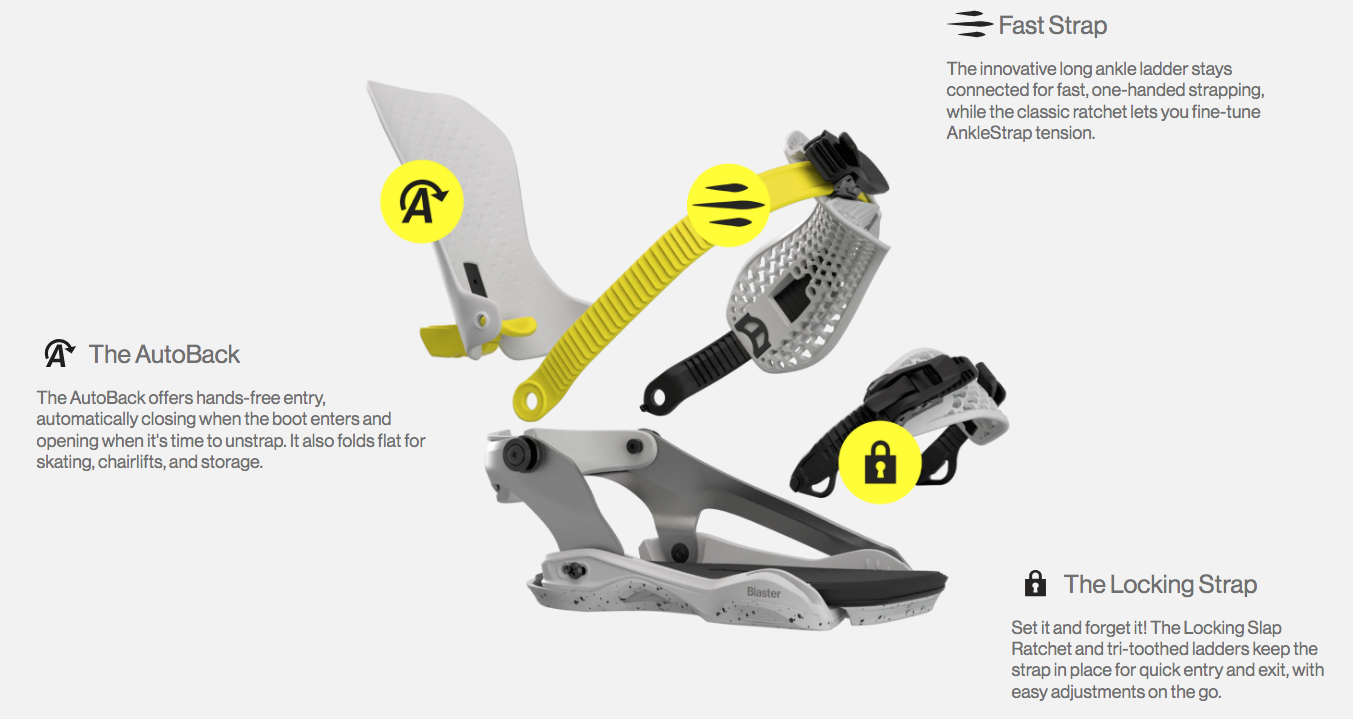
FASE leverages three key features:
1. AutoBack Highback
The highback opens automatically when you remove your foot from the binding, and closes securely when you step back in.
2. Locked-In Toe Strap
The toe strap locks in the front automatically and keeps the foot stable without constant adjustment.
3. FastStrap Ankle Strap
The ankle strap is tightened with just one hand — fast, simple and effective.
What is Step-On?
Step-On is a combined binding and boot system that allows the skier to literally step into the bindings without the need for traditional straps. Step-On is extremely fast and designed specifically for skiers who want to get on the slopes with minimal adjustment.
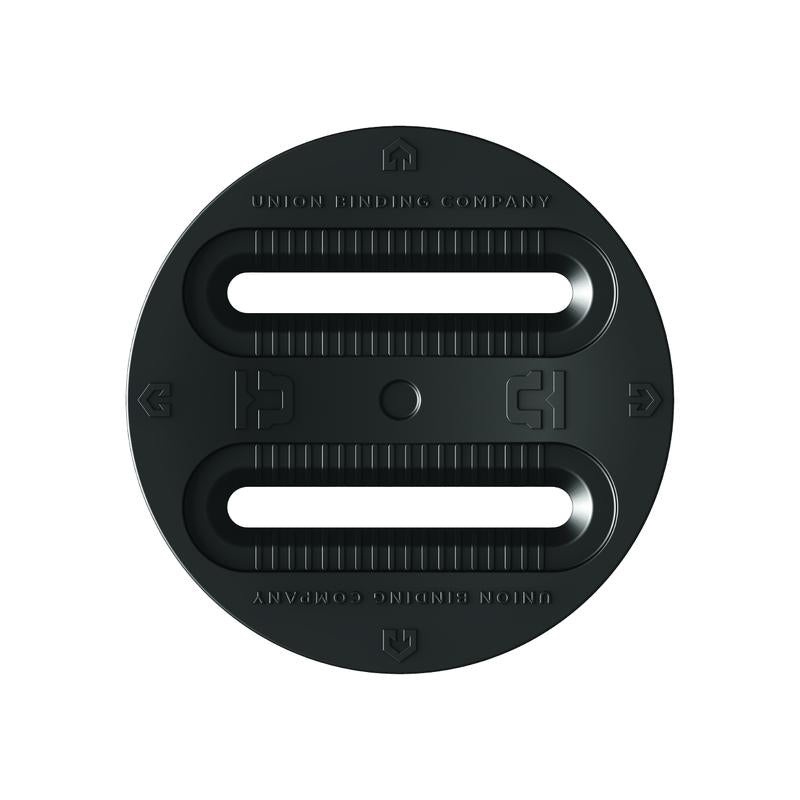
The Step-On system is now manufactured by several brands, such as Union Bindings , who make bindings that are compatible with various Step-On shoes.
How Step-On bindings work
Step-On is based on three locking points:
-
Heel lock that engages first
-
Two toe locks that ensure the shoe stays in the binding
-
When all three click into place, the system is ready for use.
Removing the bindings is done conveniently by pressing the release levers.
Pros and cons of FASE and Step-On bindings
From a search engine optimization perspective, this section includes a lot of keywords of interest to snowboarders, such as “phase bindings”, “step-on bindings”, “snowboard bindings”, “fast bindings”, “step-on shoes”, etc.
PHASE – Benefits
✓ Traditional feel and precise response
FASE leverages the reliability and precision of strap bindings — perfect for the rider who wants to feel the board as clearly as possible.
✓ Quick and easy to attach
FASE is significantly faster than a traditional two-strap bandage. AutoBack and FastStrap make fastening smooth.
✓ Compatible with almost all shoes
FASE bindings do not require special boots.
✓ Reliable and safe structure
Because FASE is based on traditional bindings, many experienced skiers trust their feel.
PHASE – Challenges
✗ Initial installation may require adjustment
It is especially important to adjust the toe strap carefully so that the automatic locking works perfectly.
✗ Not quite as fast as Step-On
Although faster than classic bindings, Step-On is still half a step faster.
Step-On – Benefits
✓ Extremely fast
Step-On is the fastest type of binding on the market: step in and go down.
✓ Very easy to use for beginners
No adjusting, no fiddling — just lock and go.
✓ Even and firm attachment
Three locking points keep the shoe securely in the binding.
✓ Good for elevator use and repeated fastenings
Especially handy for a skier who ascends and descends a lot during the day.
Step-On – Challenges
✗ Boot compatibility
Step-On only works with Step-On compatible shoes.
✗ Feel may differ from traditional bandages
Some experienced skiers find that strap bindings provide a better micro-adjustable feel.
Introducing: DC Phase Boa Pro Step-On
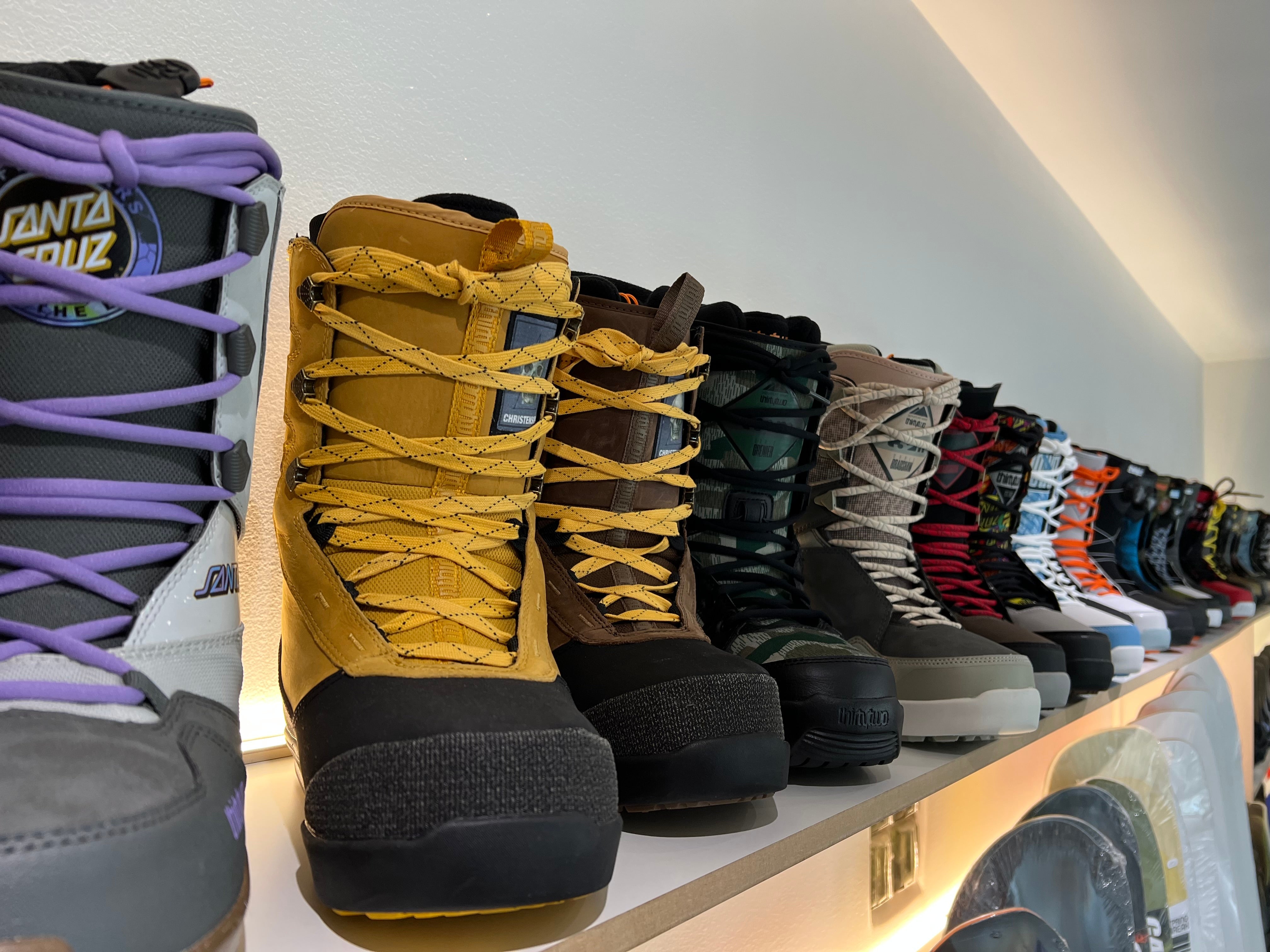
One of the most popular Step-On compatible shoes is the DC Phase Boa Pro Step-On .
The shoe combines:
-
Dual Boa® tightening system
-
Step-On compatibility
-
Stiffness and power transmission that is suitable for both the slopes and the park
This model is an excellent choice for skiers who value ease of use and quick attachment without compromising on the shoe's construction.
Availability in the Shreddington Snow online store
From us you will find:
-
Rome SDS FASE bindings
-
Union Bindings Step-On Bindings
-
DC Phase Boa Pro Step-On Shoes
Note: Shreddington Snow does not sell Burton Step-On bindings.
Union's Step-On is an excellent compatible option.
Summary of 10 questions and answers (FAQ)
1. What is the difference between FASE and Step-On bandages?
FASE combines the feel of strap bindings with faster attachment, while Step-On is a completely strapless “step-in” system.
2. Are FASE bindings compatible with all shoes?
Yes, with almost all traditional snowboard boots.
3. Does Step-On need its own shoes?
Yes, Step-On bindings require Step-On compatible shoes.
4. Is Step-On faster than FASE?
Yes, in pure speed the Step-On is the fastest on the market.
5. Does FASE offer the same feel as traditional bandages?
Yes, FASE is based on strap bindings and offers the same control.
6. Does Shreddington Snow sell Burton Step-On bindings?
No, but we do have Union Step-On bindings.
7. Is the DC Phase Boa Pro Step-On a good choice?
Yes, it is a high-quality and well-supported Step-On compatible shoe.
8. Which is better for a beginner?
Step-On is the easiest to use, but FASE is also suitable for beginners who want to improve.
9. Which is better for parking?
Both work, but the choice depends on personal preference — Step-On provides speed, FASE provides traditional response.
10. Which is more durable?
Both are high-quality systems. Durability depends on use and maintenance, not just the technical solution.