| Tip L | Tip W | Tail L | Tail W | Waist W | Contact points | Effective edge | Ref stance | Sidecut | Suggested Weight | |
| Size | mm | mm | mm | mm | mm | mm | mm | in | mm | lbs |
| 154 | 206 | 297 | 168 | 292 | 245 | 1166 | 1232 | 22 | 8.8/6.8/8.8 | 130-190 |
| 159 | 211 | 303.2 | 173 | 298.2 | 256 | 1206 | 1206 | 23 | 9.2/7.2/9.2 | 140-200 |
| 162W | 214 | 315.9 | 176 | 311 | 264 | 1230 | 1296 | 23 | 9.6/7.6/9.6 | 150-260 |
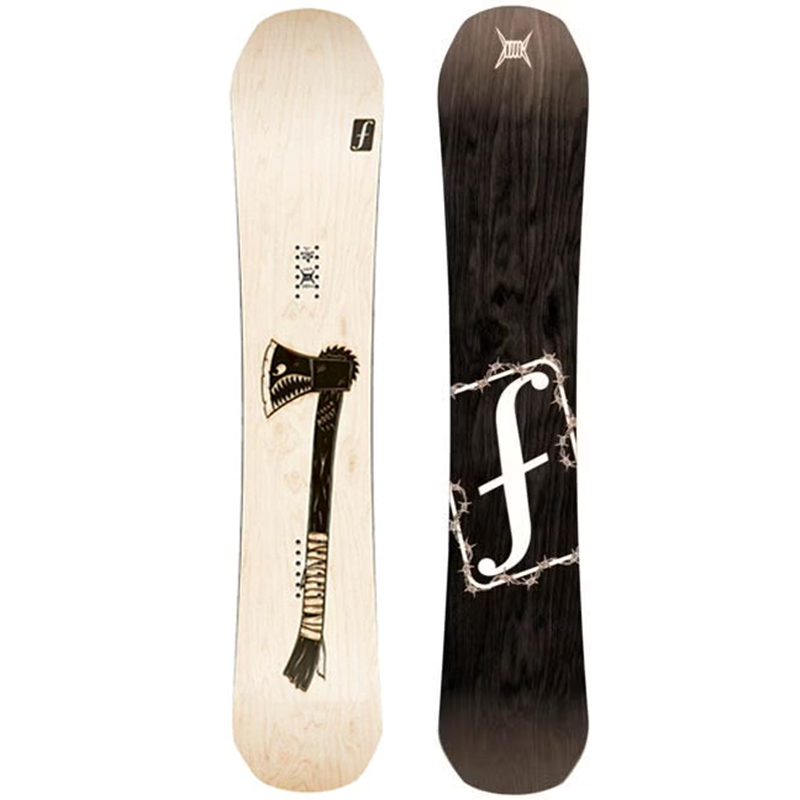
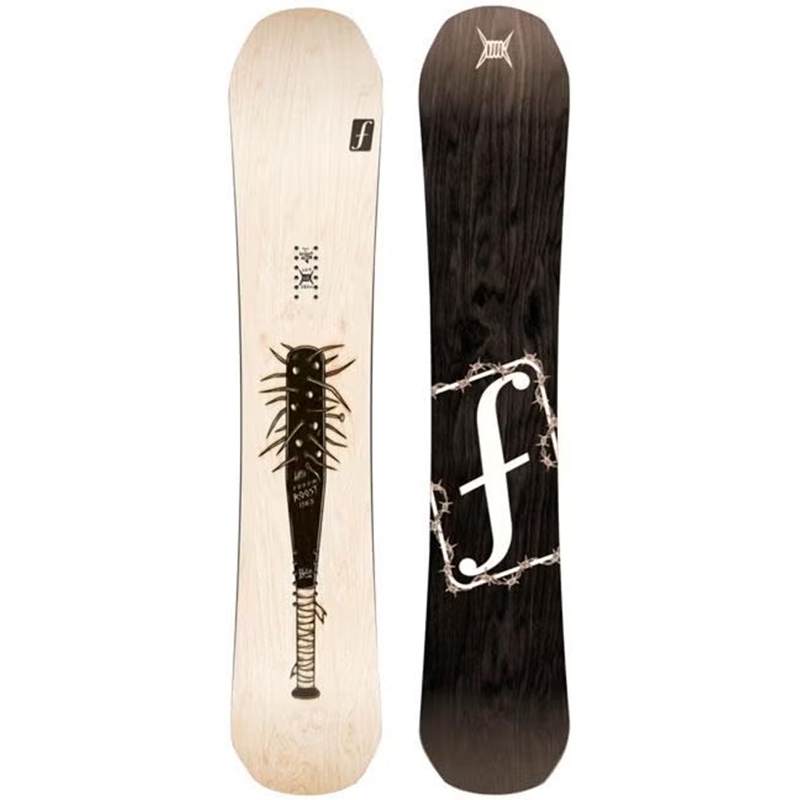
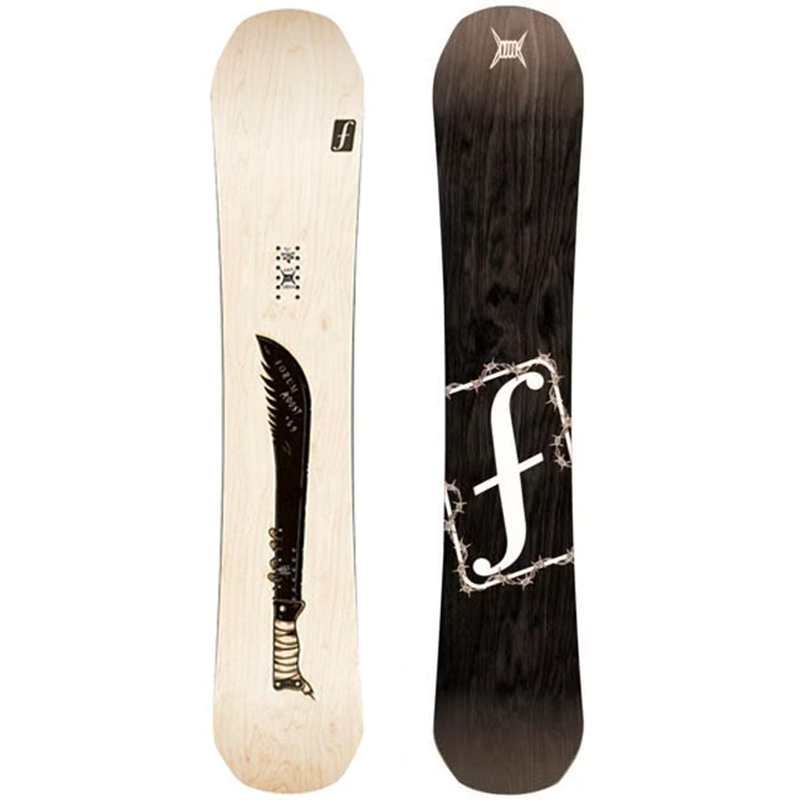
Forum Roost 26/27
We ship the product from the Helsinki store warehouse.
We offer free shipping on all purchases over 99 euros.
Roost 26/27
Sale price€599,00
Product information: Forum Roost 26/27
Forum Roost
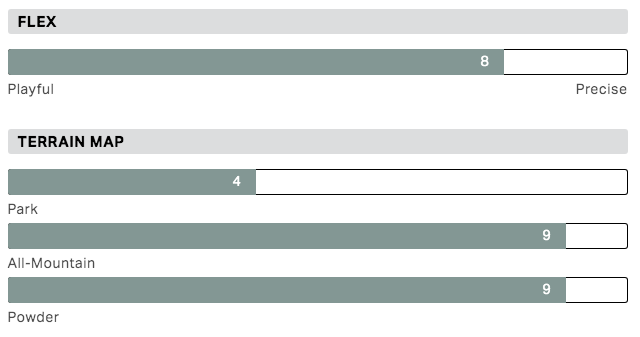
From hard-pack to pow, the Roost’s tapered shape will help you conquer the entire mountain with ease. It features a slightly set back stance, longer nose than tail and a mellow tip profile to encourage powder flotation. The multi-radius sidecut will help you slice through the chunder and power through carves.
FEATURES
• Tapered directional shape
• Forumula8Pro™ high speed die-cut sintered base
• Flylight Plus™ reinforced triaxial fiberglass
• Booter Boosters™ carbon-powered aramid struts
• SuperSnap GnarLEcore™ Poplar/Beech wood core
• Textured gloss graphic treatmen
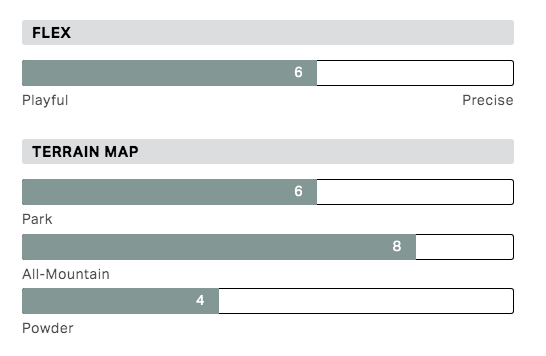
FLEX RATING: 8.0

CAMBER PROFILE: 5-6MM

Manufacturer's introduction: Forum
Forum
Forum Roost
From hard-pack to pow, the Roost’s tapered shape will help you conquer the entire mountain with ease. It features a slightly set back stance, longer nose than tail and a mellow tip profile to encourage powder flotation. The multi-radius sidecut will help you slice through the chunder and power through carves.
FEATURES
• Tapered directional shape
• Forumula8Pro™ high speed die-cut sintered base
• Flylight Plus™ reinforced triaxial fiberglass
• Booter Boosters™ carbon-powered aramid struts
• SuperSnap GnarLEcore™ Poplar/Beech wood core
• Textured gloss graphic treatmen
FLEX RATING: 8.0
CAMBER PROFILE: 5-6MM
| Tip L | Tip W | Tail L | Tail W | Waist W | Contact points | Effective edge | Ref stance | Sidecut | Suggested Weight | |
| Size | mm | mm | mm | mm | mm | mm | mm | in | mm | lbs |
| 154 | 206 | 297 | 168 | 292 | 245 | 1166 | 1232 | 22 | 8.8/6.8/8.8 | 130-190 |
| 159 | 211 | 303.2 | 173 | 298.2 | 256 | 1206 | 1206 | 23 | 9.2/7.2/9.2 | 140-200 |
| 162W | 214 | 315.9 | 176 | 311 | 264 | 1230 | 1296 | 23 | 9.6/7.6/9.6 | 150-260 |
Forum
Buy the entire invoice set from us
What should you consider when choosing a snowboard?
A few questions to consider before buying snowboard boots
What is an all-mountain snowboard?
An all-mountain board is a versatile option that works well on slopes, in powder, and in small park elements. It's the best choice if you want one board for all weather and styles.
What makes a parkki board different?
Park or freestyle boards are typically:
- Softer and more forgiving
- Lighter
- Twin-shaped (symmetrical)
- Optimized for jumping, jibbing and switch landings
They offer playfulness and easy handling for tricks and spins.
How do I choose the right size for my snowboard?
A good general guideline is that the length of the snowboard falls between the chin and the nose , but the more specific choice depends on:
- Weight (most important factor)
- About length
- Calculation style
- About the stiffness of the board
Longer board: more stable at high speeds and freeride
Shorter board: more agile in the park and relaxed on the slopes
Shreddington Snow's product cards state the manufacturer's recommended weights and lengths.
What does the softness and hardness (flex) of a board mean?
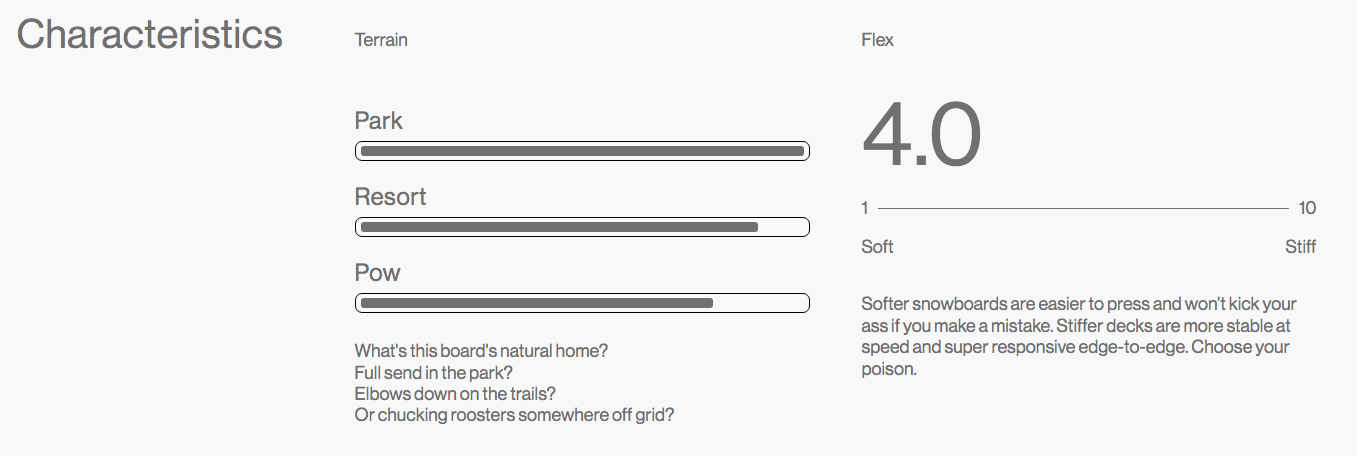
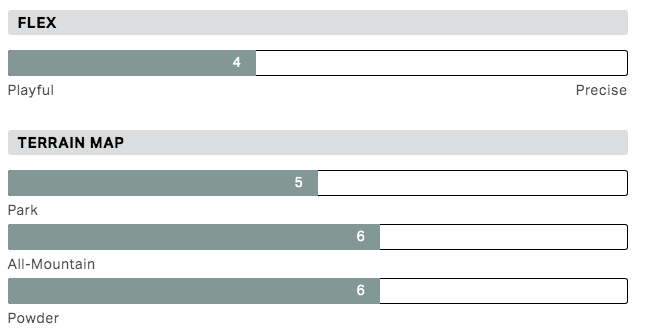
Flex tells you how stiff the board is.
Flex levelFor whomUse
Soft (1–4) Beginners, park - Easy to turn, playful
Medium (5–7) All-mountain - Versatile and stable
Hard (8–10) Advanced freeride - Precise and stable at high speeds
What is the difference between directional, twin and directional twin boards?
True Twin: fully symmetrical, ideal for park and switch.
Directional: longer nose and forward-facing shape – best for freeride and fast downhill riding.
Directional Twin: combines twin and directional – perfect for all-mountain style.
How do I choose the appropriate width category? (Regular, Mid-Wide, Wide)
The width of the board is affected by the size of the shoe.
- Size 40–43: Regular or Mid-Wide
- Size 43.5–45: Mid-Wide
- Size 45+: Wide
The goal is to keep your toes and heels from getting caught in the snow when turning.
What is rocker, camber and hybrid profile?
Camber: traditional tension – precise, poppy and stable
Rocker: tips up – soft, forgiving and good in powder
Hybrid: a combination of both – the most versatile option for most situations
Do all bindings fit all boards?
Most bindings fit all boards, as long as:
- Your binding is the right size for your shoe.
- The board mounting system is compatible (4x4, 2x4, Channel)
Most manufacturers use a 2x4 pattern, which is universally compatible.
Is there a difference in the boards between women's and men's models?
Yes, usually:
- Women's boards have a narrower width
- Flex often a little softer
- Shape adapted for a lighter center of gravity
Men can still use women's boards (and vice versa) if the dimensions and flex match.
Can I use an all-mountain board in the park?
Yes! Many all-mountain boards work well in park, especially in medium stiffness. However, if park is your main focus, a softer twin board is optimal.
Men's snowboards
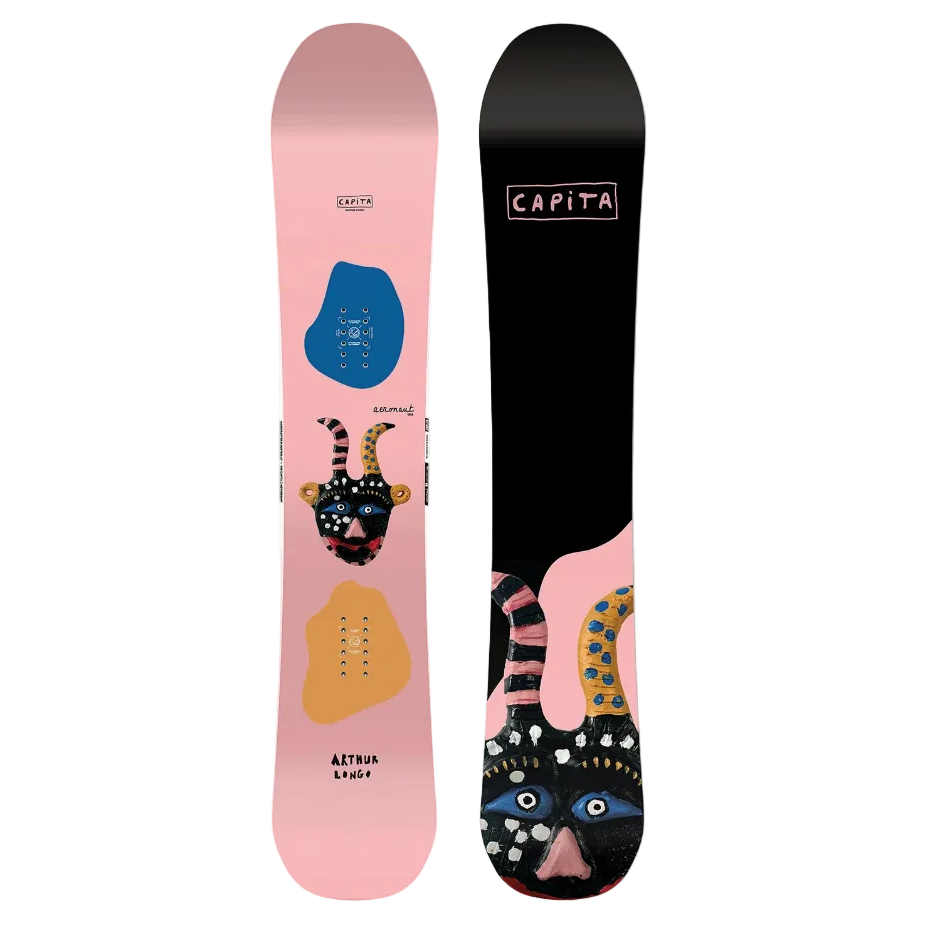
Capita
Aeronaut LTD
Sale price€679,00
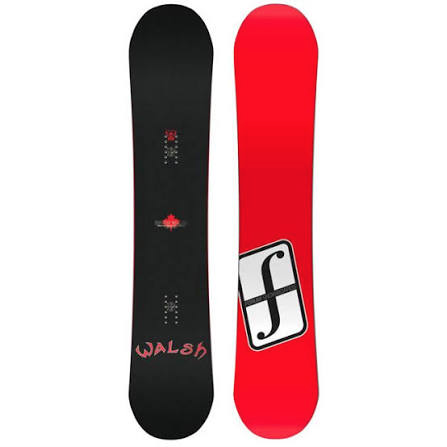
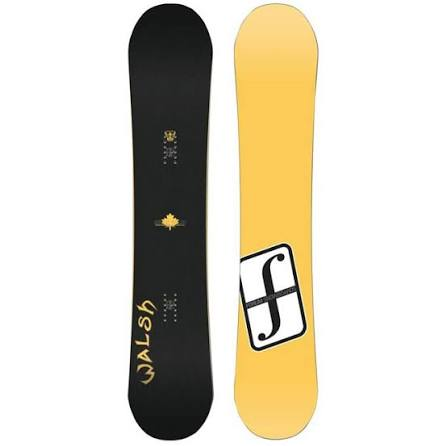
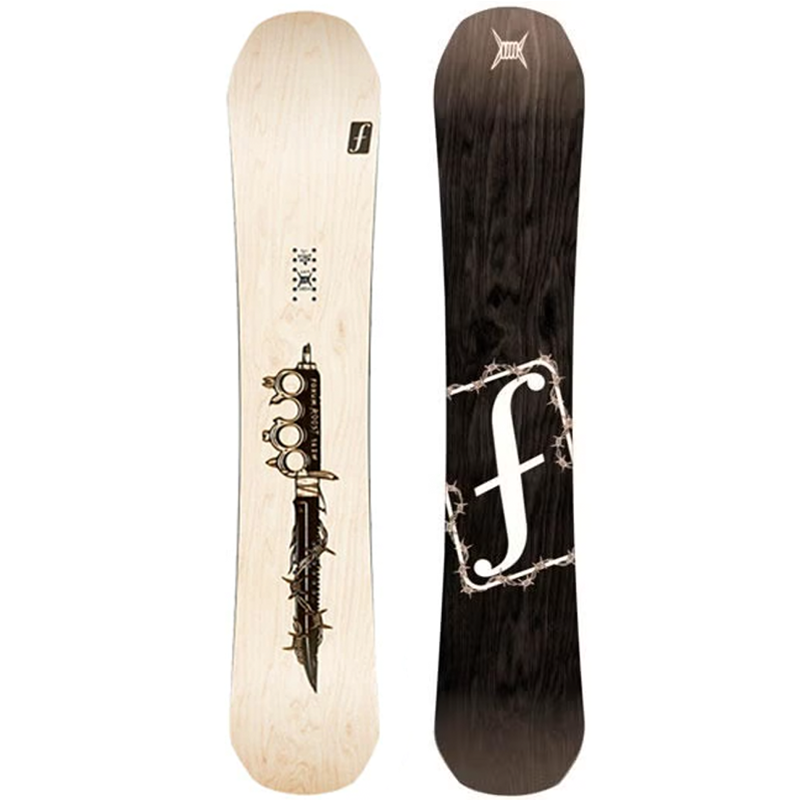
Forum
Devun Walsh Legend Series
Sale price€599,00
Forum
Roost Wide 26/27
Sale price€599,00
Forum
Roost 26/27
Sale price€599,00
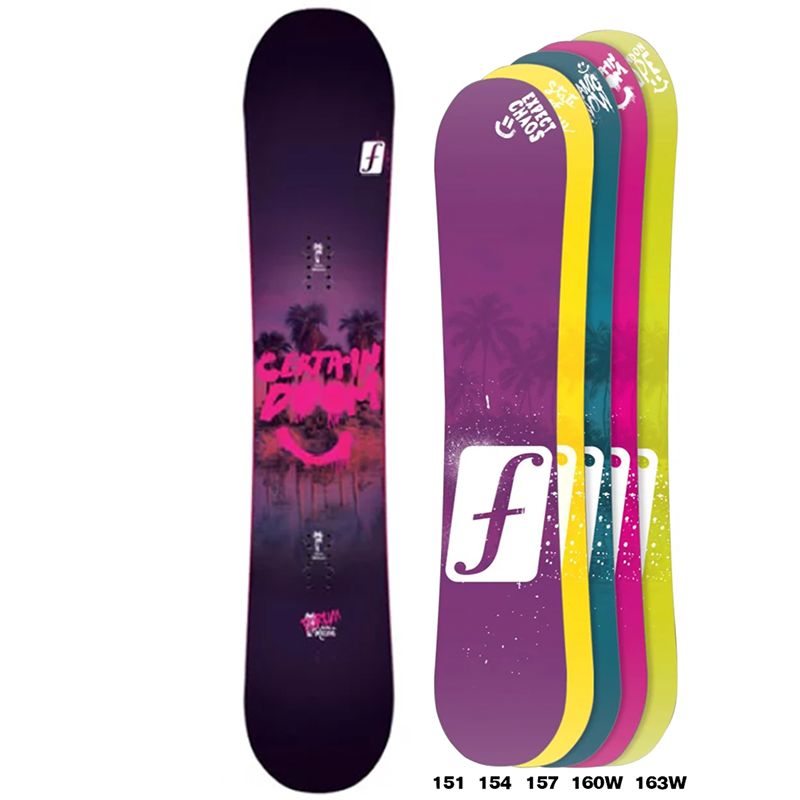
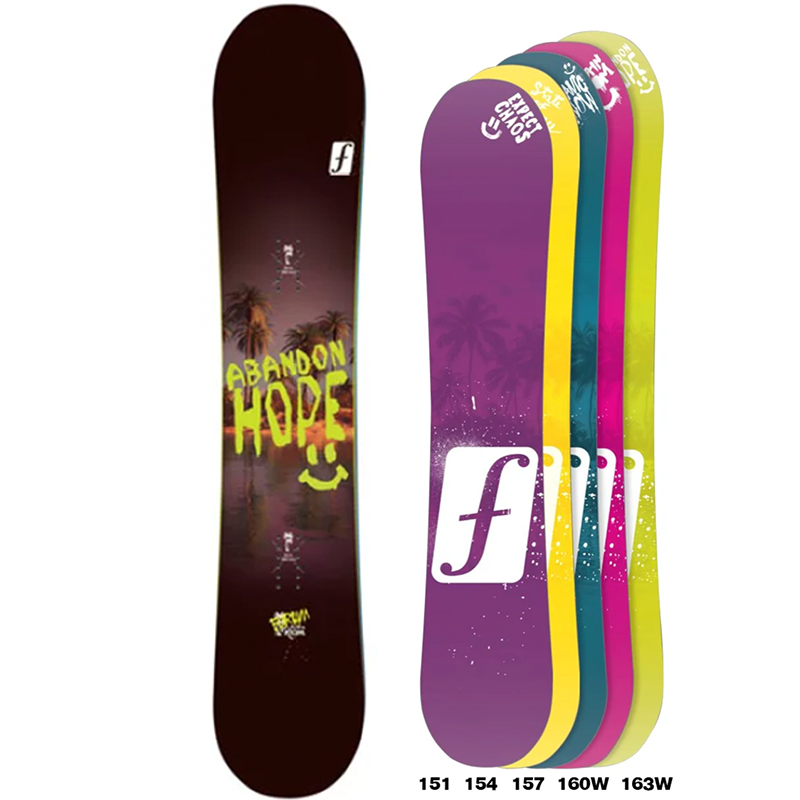
Forum
Recon Wide 26/27
Sale price€555,00
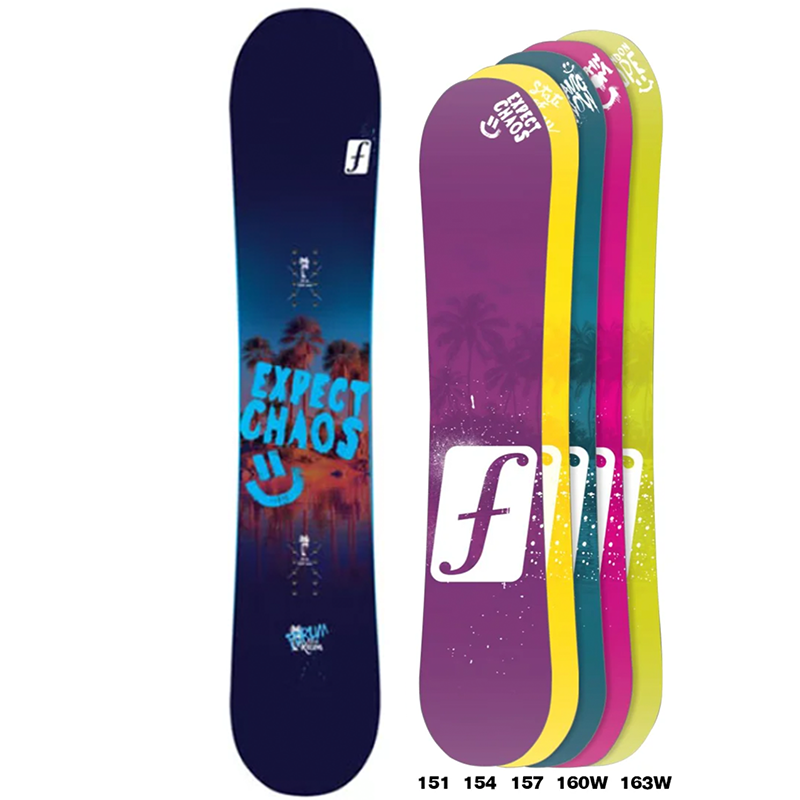
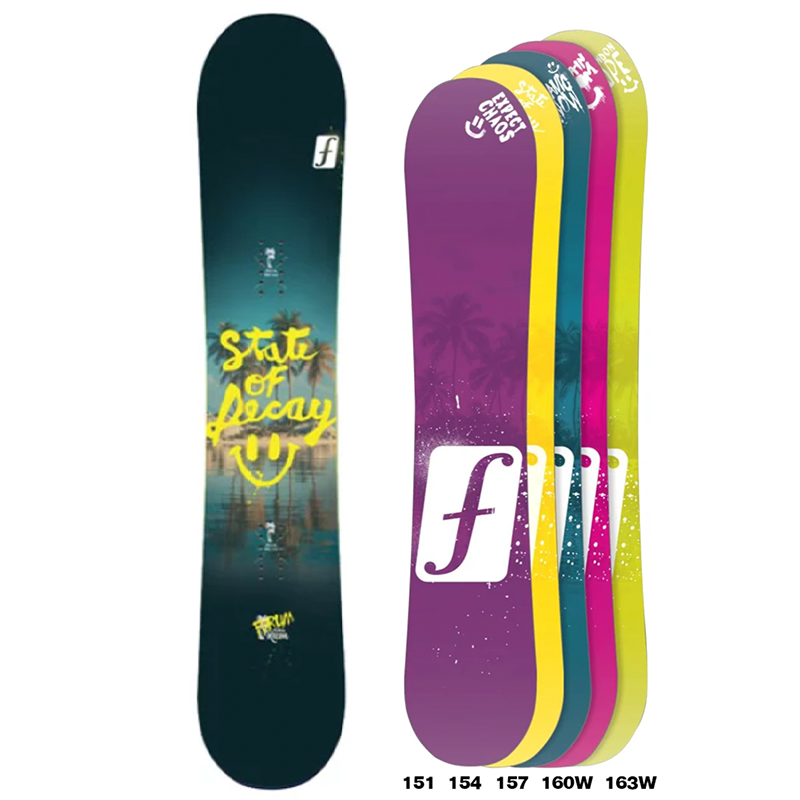
Forum
Recon 26/27
Sale price€555,00
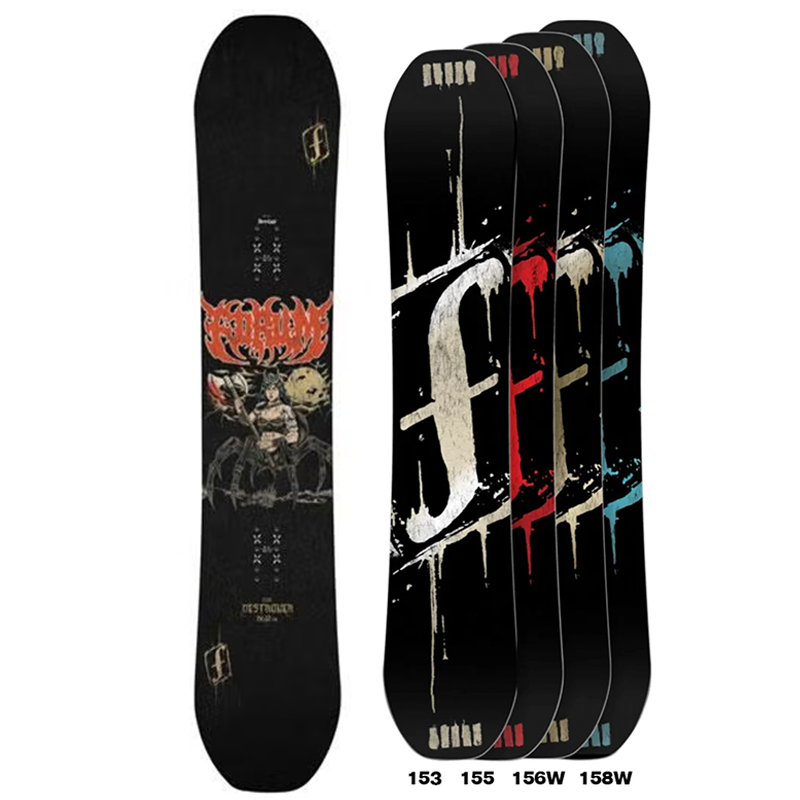
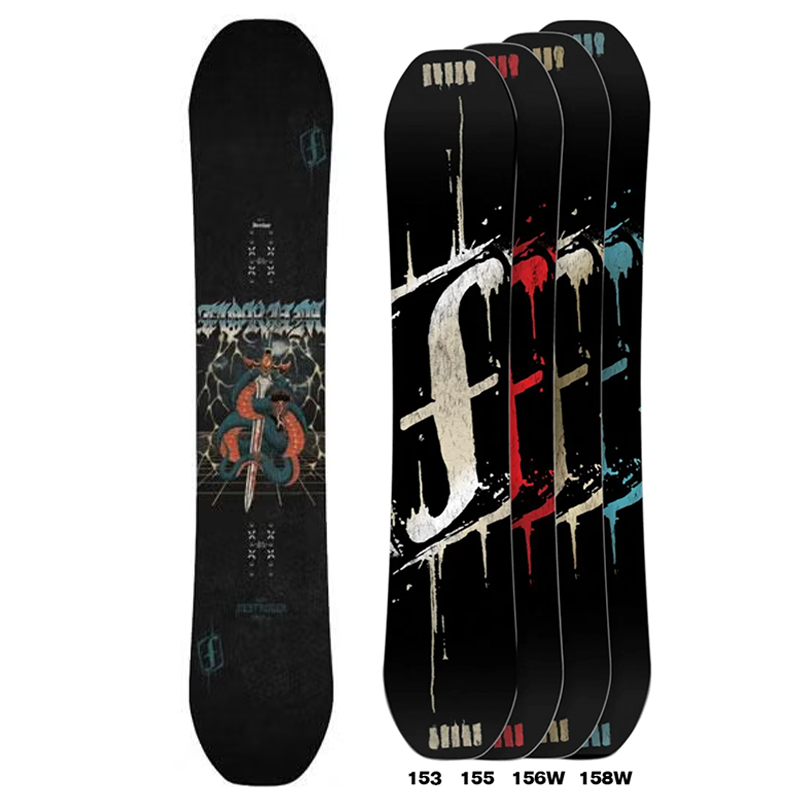
Forum
Destroyer Wide 26/27
Sale price€535,00
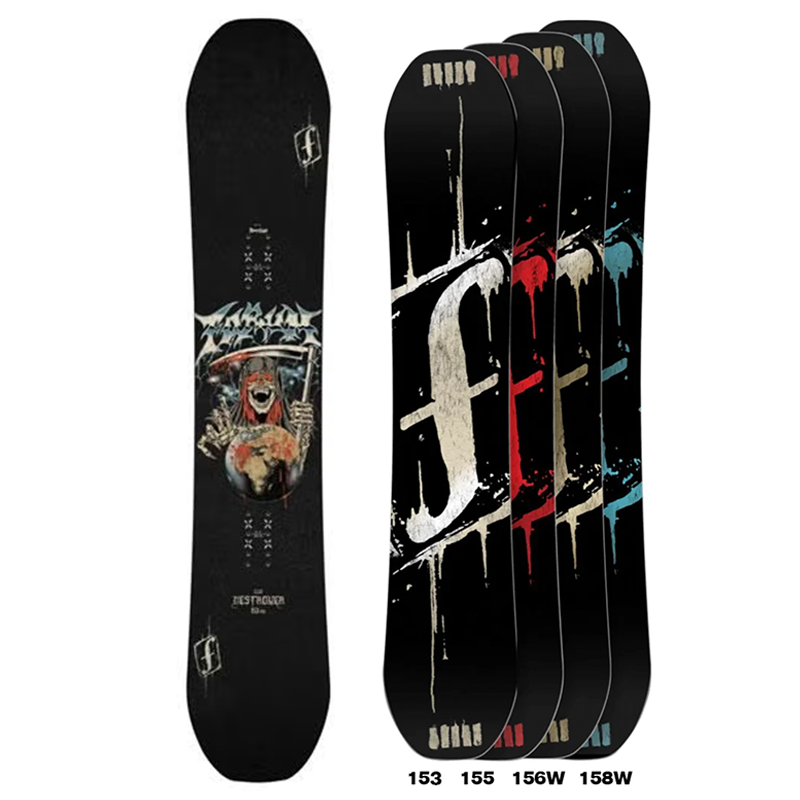
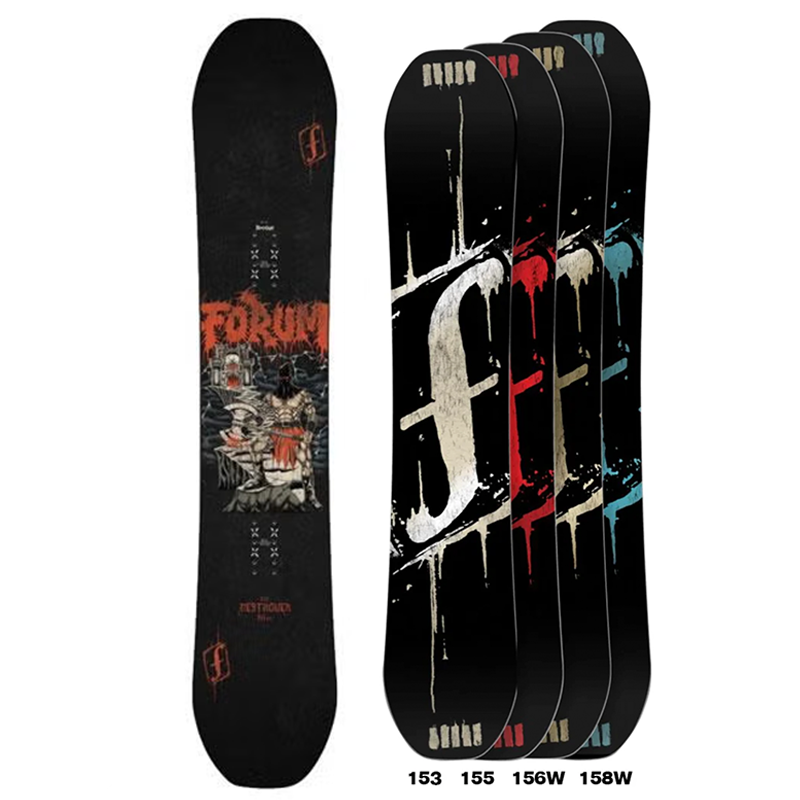
Forum
Destroyer 26/27
Sale price€535,00
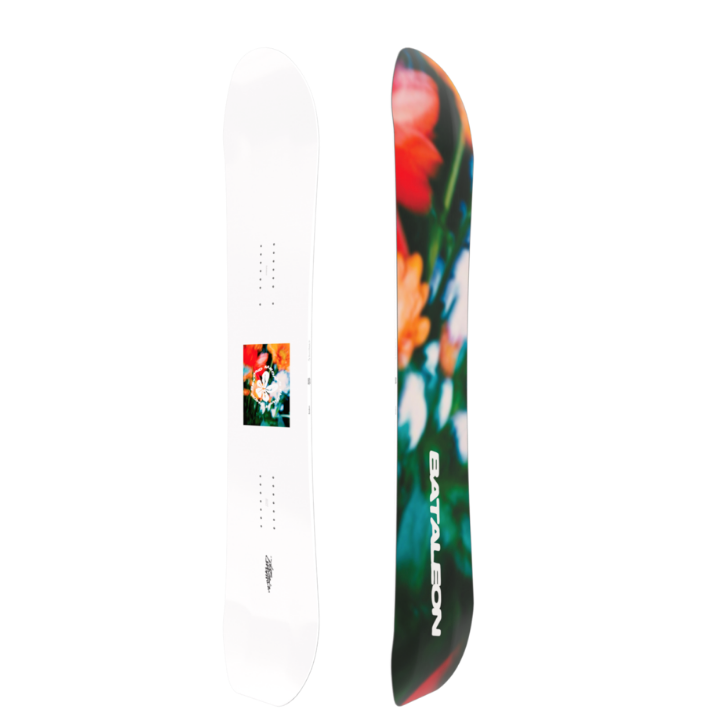
Bataleon
Tornado x Beyond Medals 25/26
Sale price€377,40
Regular price€629,00
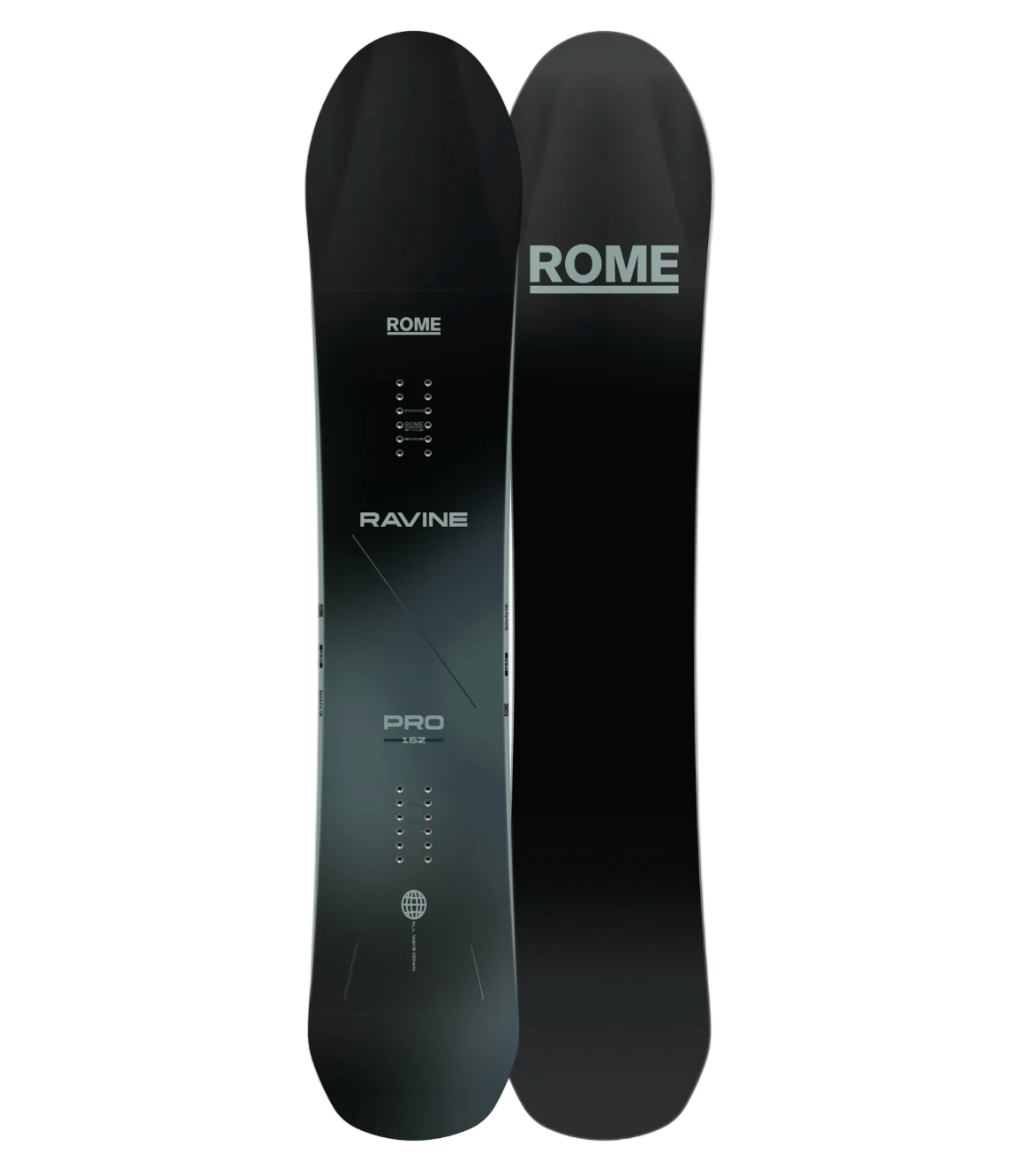
Rome SDS
Ravine Pro
Sale price€377,40
Regular price€629,00
Women's snowboards
Bataleon
Push Up+ 25/26
Sale price€359,40
Regular price€599,00
Rome SDS
MUSE 25/26
Sale price€299,40
Regular price€499,00
Korua Shapes
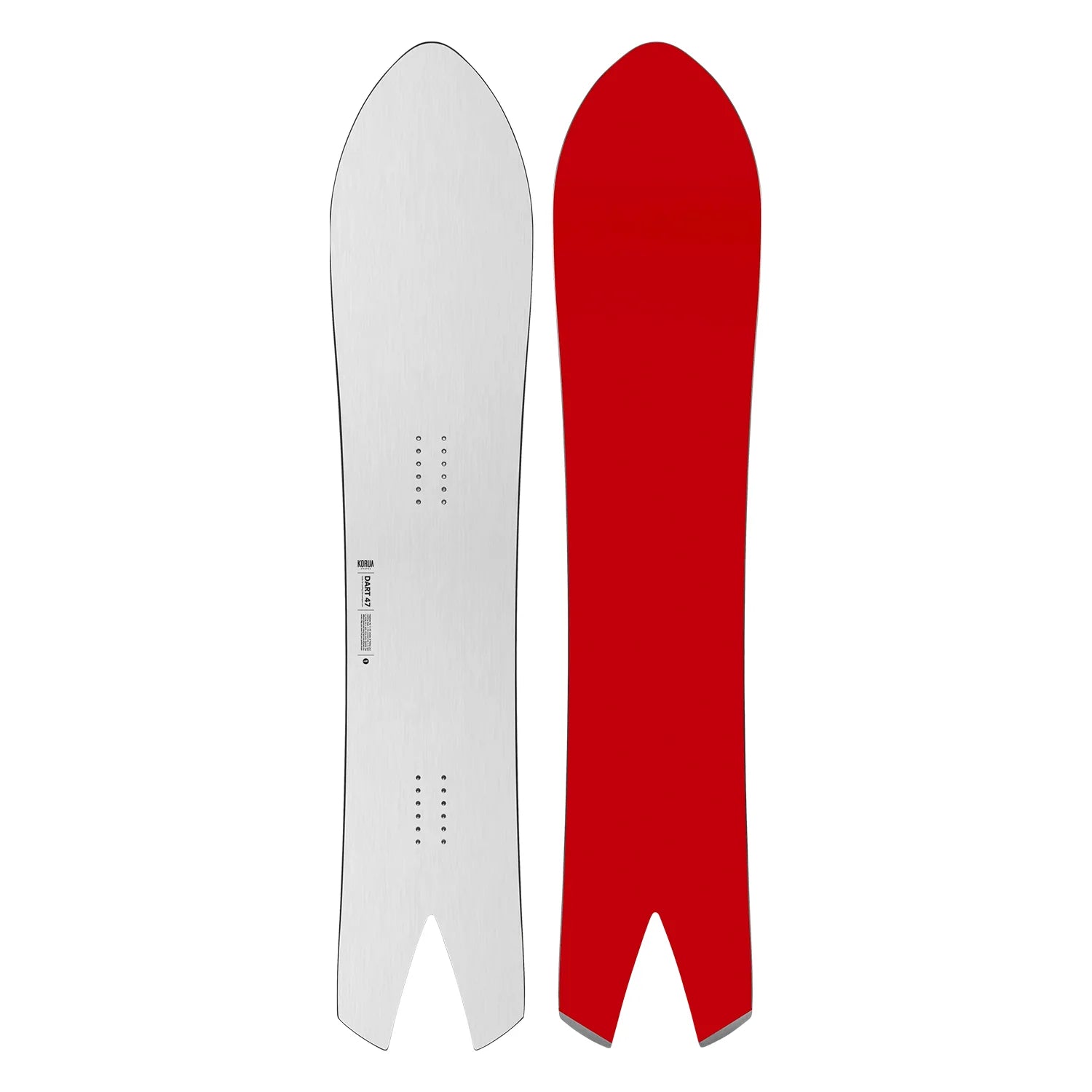
DART / Brushed
Sale price€599,00
Korua Shapes
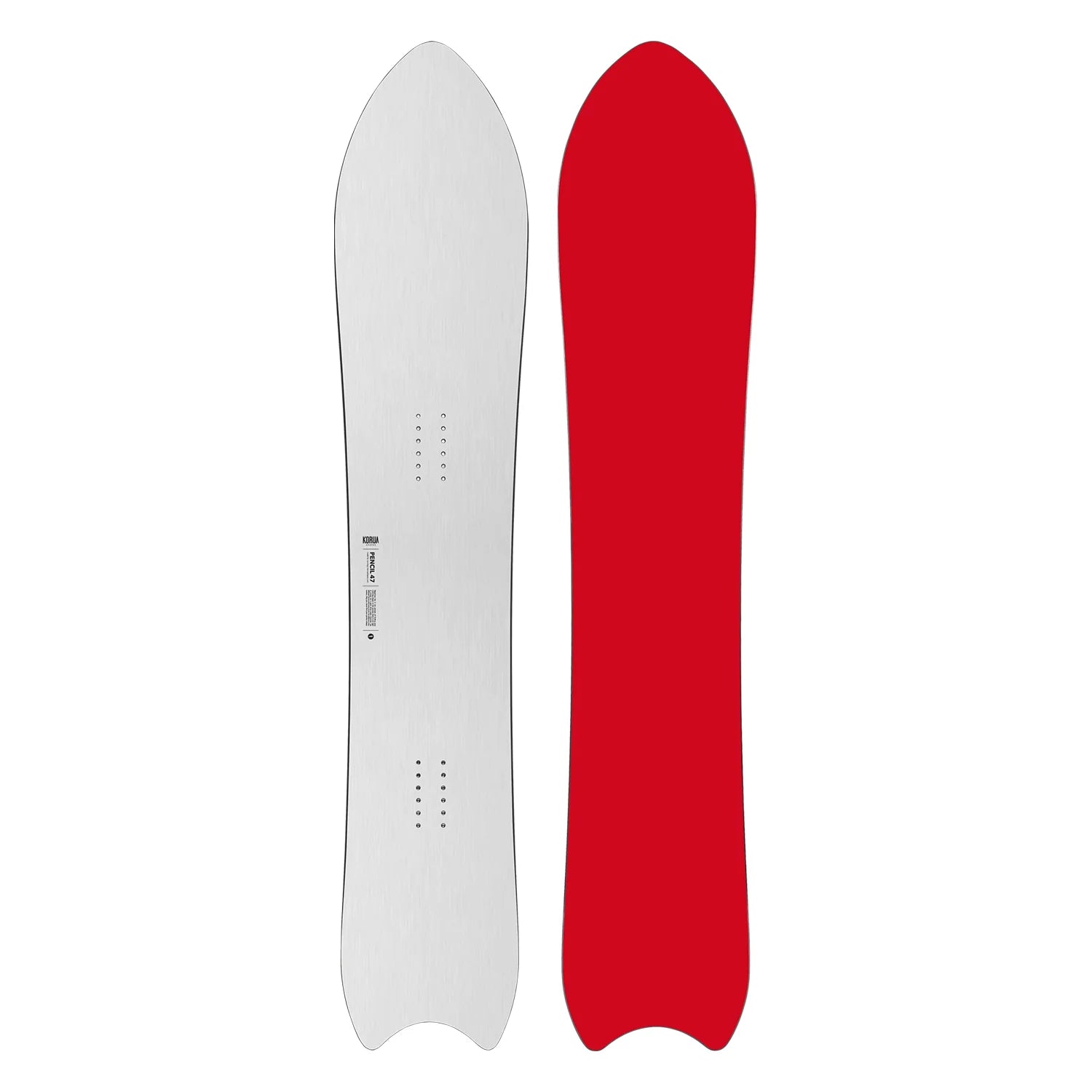
PENCIL / Brushed
Sale price€549,00
Korua Shapes
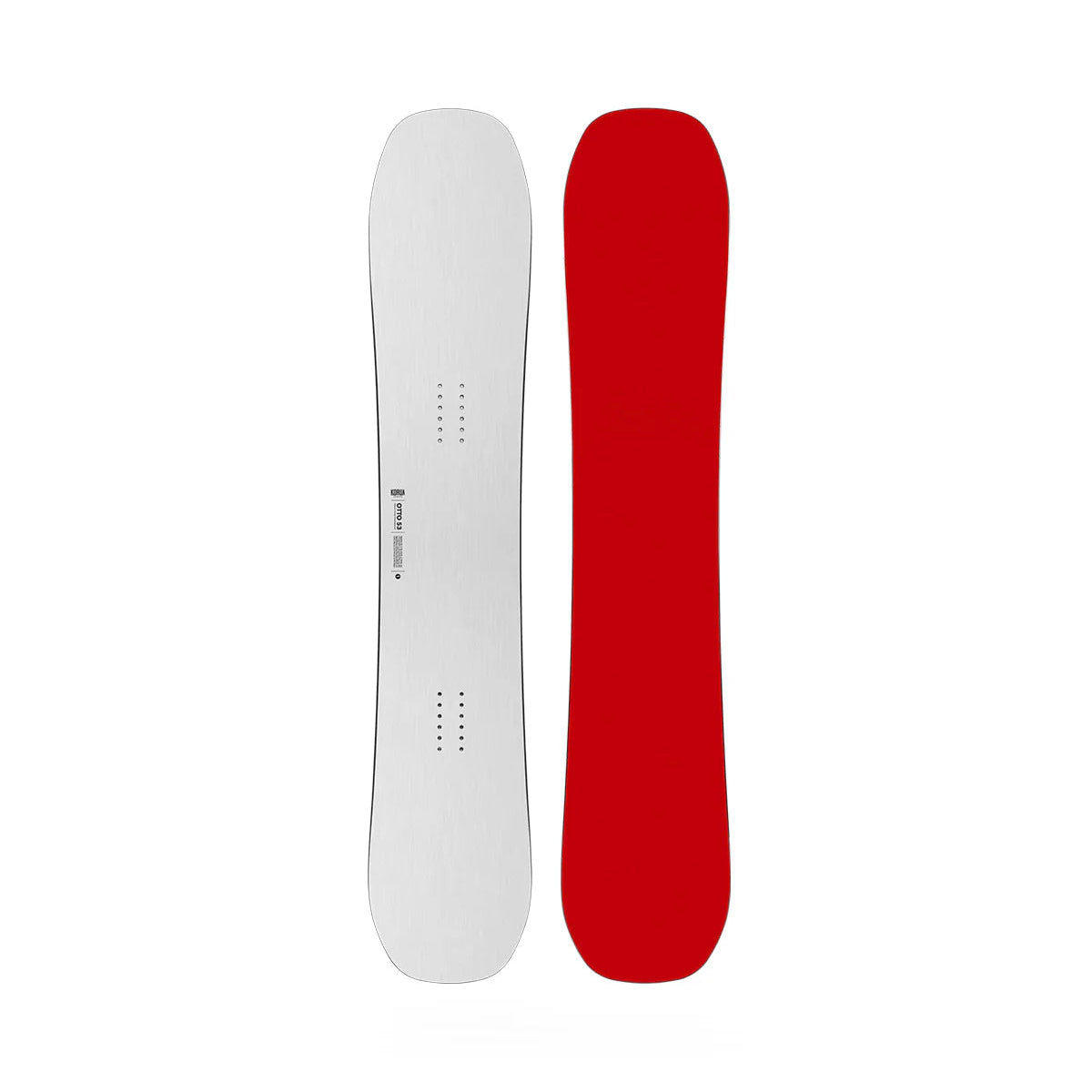
OTTO / Brushed
Sale price€499,00
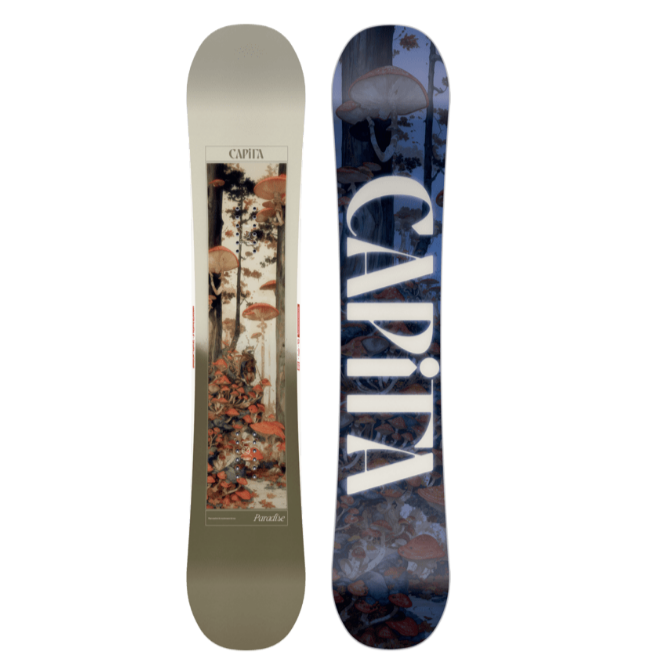
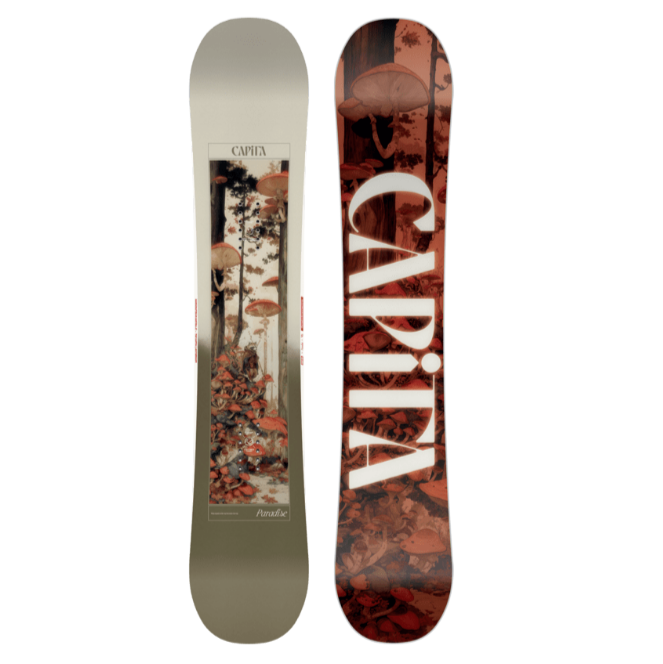
Capita
Paradise Wide
Sale price€299,40
Regular price€499,00
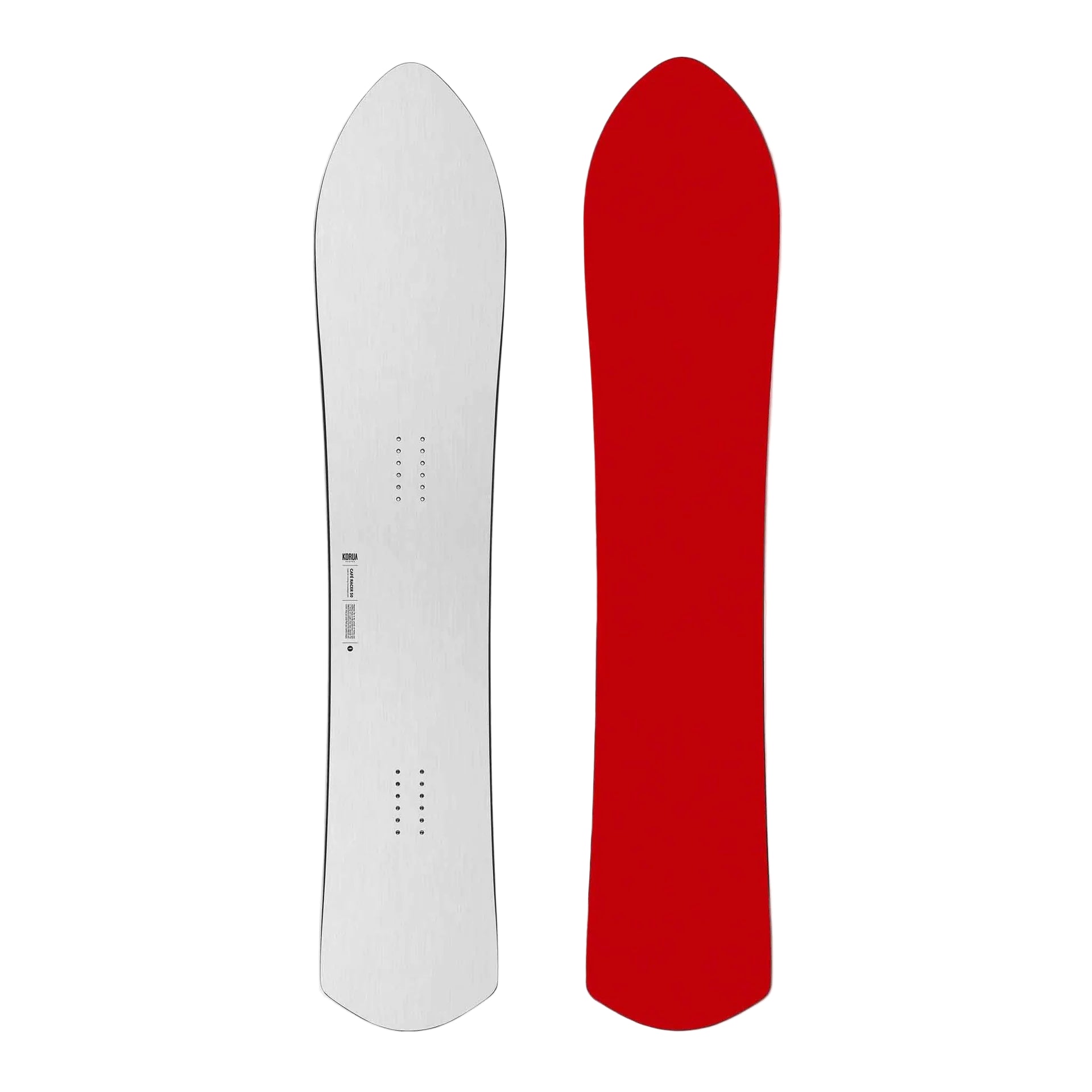
Korua Shapes
CAFE RACER / Brushed
Sale price€549,00
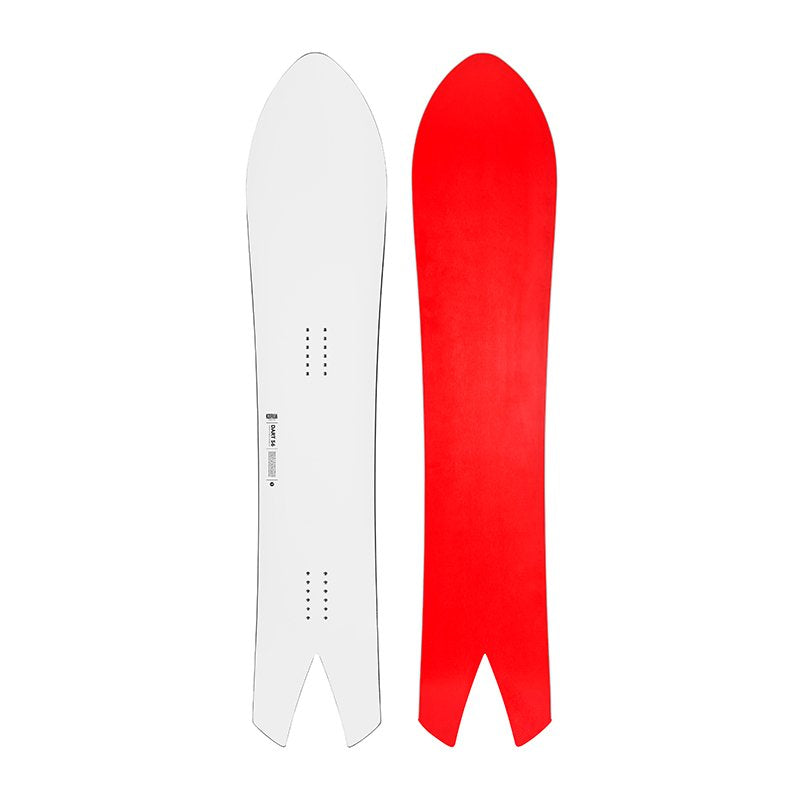
Korua Shapes
DART
Sale price€499,00
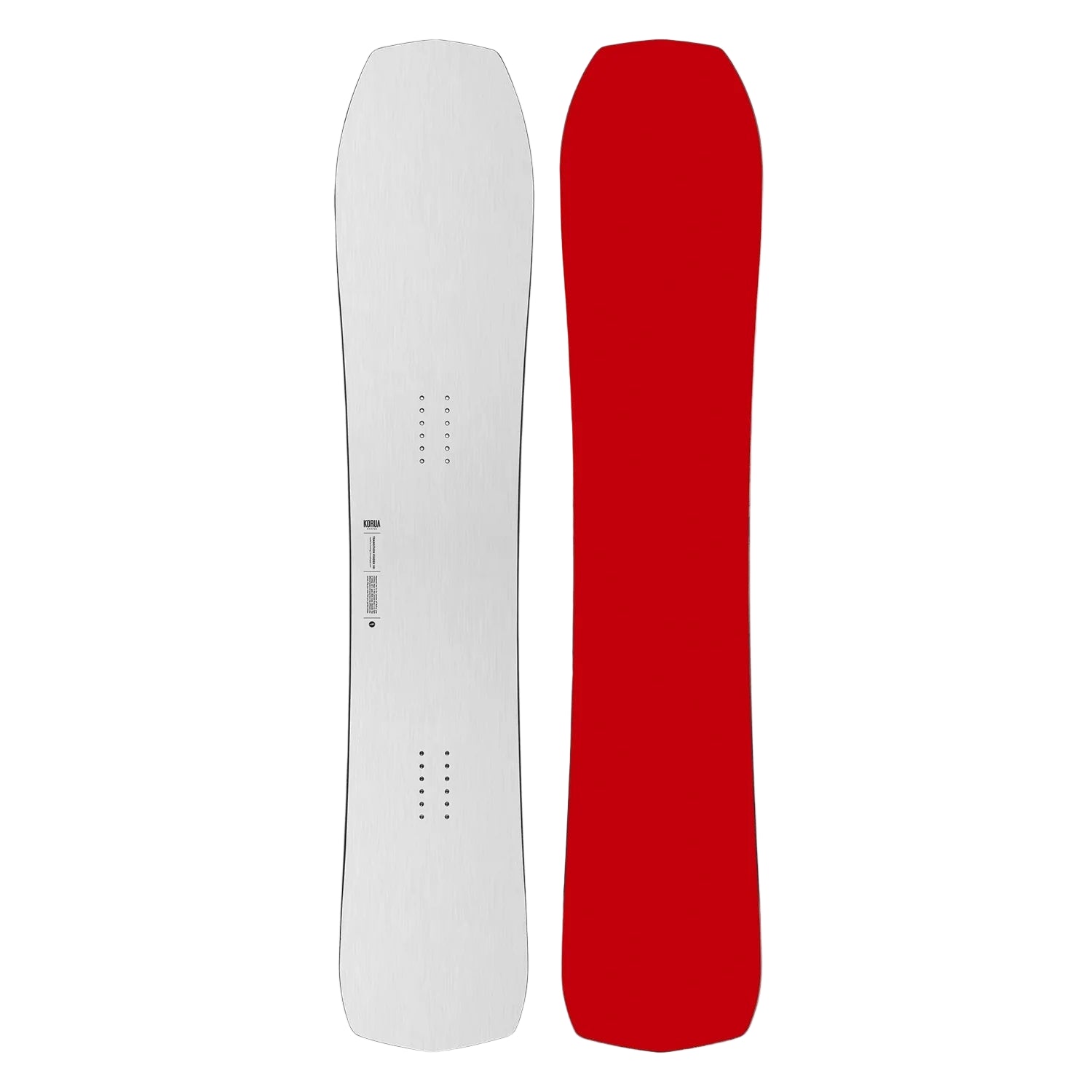
Korua Shapes
TRANSITION FINDER / Brushed
Sale price€499,00
Children's snowboards
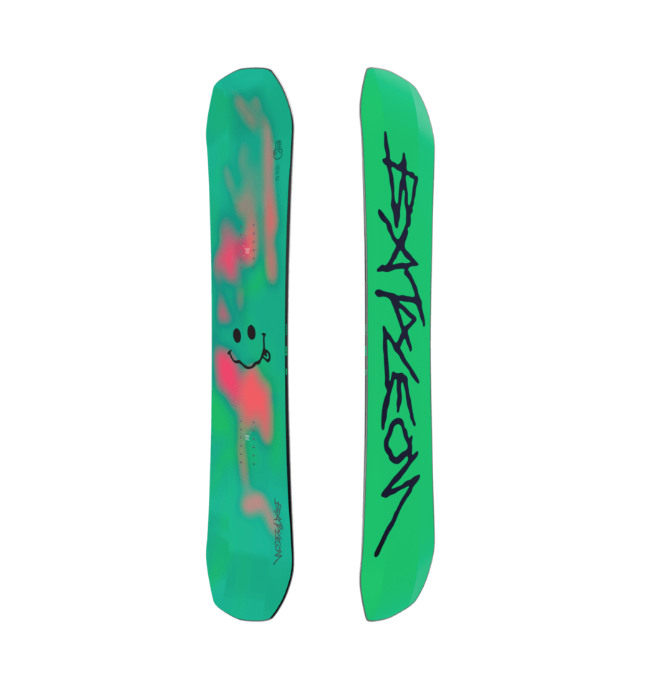
Bataleon
Evil Teen 25/26
Sale price€250,00
Regular price€389,00
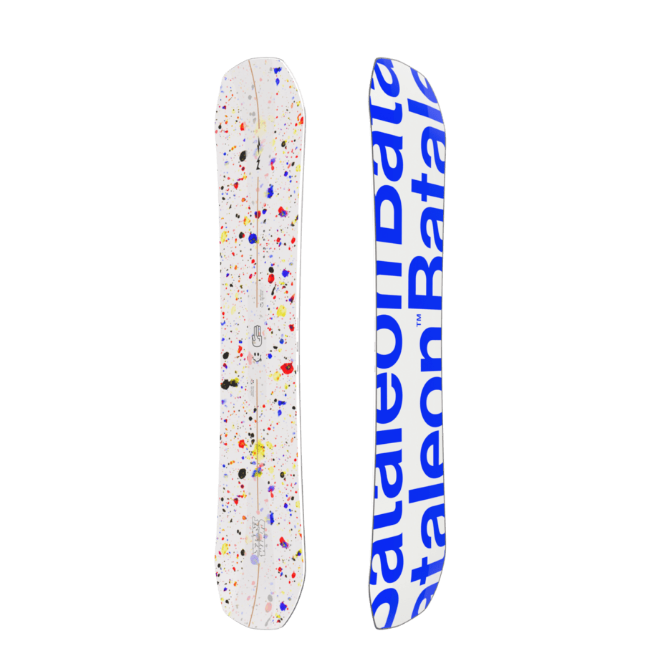
Bataleon
Stuntwood 25/26
Sale price€225,00
Regular price€349,00
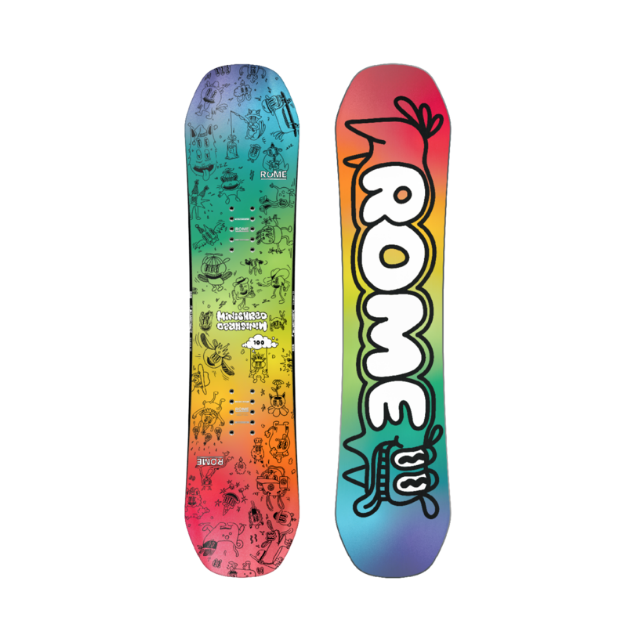
Rome SDS
Mini shred 25/26
Sale price€160,00
Regular price€249,00
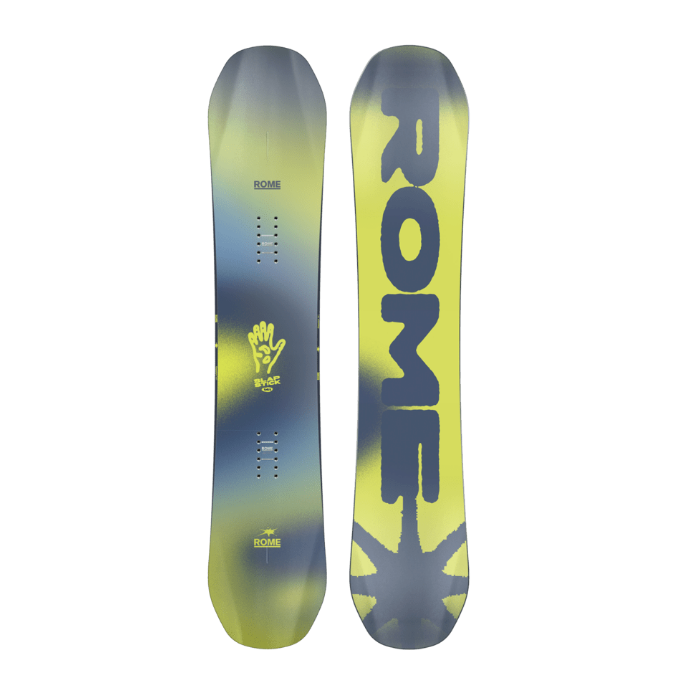
Rome SDS
Slapstick 25/26
Sale price€225,00
Regular price€349,00
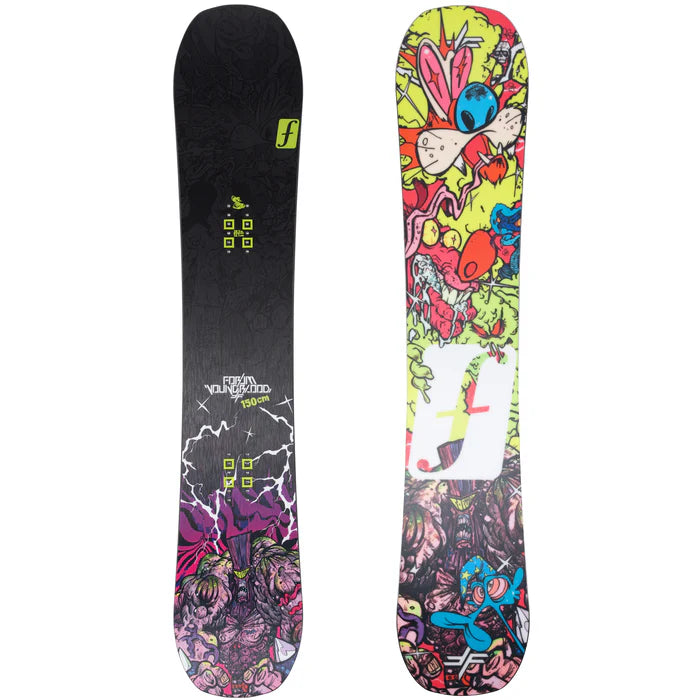
Forum
YoungBlood
Sale price€300,00
Regular price€459,00